


- HR Speak
- HR Compliance
- How the OSHA Inspection Process Works for Employers
How the OSHA Inspection Process Works for Employers


In this article, we’ll explore:
How the OSHA Inspection Process Works for Employers
Understanding OSHA Inspections and Their Impact on Your Business
OSHA Inspection Priorities Employers Should Know
What Happens During the OSHA Inspection Process
How Employers Can Prepare for an OSHA Inspection
OSHA Inspection Checklist for Employers
Common OSHA Violations and How Employers Can Prevent Them
How PEO Compliance Support Helps Strengthen Workplace Safety

As an employer, the Occupational Safety and Health Administration (OSHA) inspection process can feel intimidating — particularly when inspections occur unexpectedly or involve potential safety concerns. While not every workplace will experience an OSHA inspection, if your organization lacks consistent safety procedures, training, or documentation, you may face greater operational and compliance risks if one occurs.
OSHA inspections can uncover workplace hazards, lead to OSHA citations, and require corrective action that affects daily operations. More importantly, inspections often reveal broader gaps in workplace safety practices that can increase the likelihood of injuries, disruptions, or long-term compliance challenges.
By understanding how the OSHA inspection process works and how to prepare proactively, you can strengthen worksite safety, improve consistency across operations, and reduce unnecessary risk.
In this guide, we’ll explain:
- What triggers OSHA inspections
- What to expect during the inspection process
- How proactive workplace safety programs and PEO compliance support can help your organization maintain a safer, more compliant workplace
Understanding OSHA Inspections and Their Impact on Your Business
OSHA is responsible for enforcing workplace safety standards designed to protect employees from workplace hazards, such as falls, chemical exposure, equipment risks, and unsafe working conditions.
To enforce these standards, OSHA conducts workplace inspections that may include:
- Reviewing safety procedures
- Examining documentation
- Observing workplace conditions
- Identifying potential hazards
How OSHA Inspections Impact Businesses
For businesses, OSHA inspections can create both operational and financial challenges. If violations are identified, your business may be required to correct hazards, update procedures, or address compliance gaps within specific timeframes. In some cases, inspections may also result in penalties or ongoing follow-up reviews.
Beyond regulatory consequences, inspections often reveal broader process issues, such as inconsistent safety practices, incomplete training records, or outdated procedures. Addressing these issues proactively helps strengthen worksite safety and reduces the likelihood of accidents, injuries, and operational disruptions.
For many small and mid-sized businesses, maintaining this level of oversight internally can become increasingly time-intensive — particularly across multiple teams, locations, or changing regulatory requirements. This is why it’s so important to focus on building structured workplace safety programs to help identify risks early and maintain ongoing compliance.
OSHA Inspection Priorities Employers Should Know
Because OSHA oversees millions of workplaces with a relatively small number of inspectors, the agency prioritizes inspections based on urgency and potential risk to employee safety.
Understanding these priorities can help your leadership and team members recognize the circumstances most likely to trigger an inspection, so they can take steps to prevent OSHA violations.
Here are some key areas to focus on:
Imminent Danger Situations
Imminent danger situations receive the highest inspection priority. These cases involve hazards that could reasonably cause death or serious physical harm if they are not addressed immediately.
Examples may include unsafe machinery, unstable structures, or exposure to dangerous chemicals. When OSHA identifies an imminent danger situation, inspectors may visit the worksite as quickly as possible to assess the risk and ensure corrective action is taken.
Fatalities and Catastrophes
Workplace incidents involving fatalities or serious injuries are another major trigger for inspections. Employers are required to report certain incidents to OSHA, including workplace fatalities and incidents where multiple employees are hospitalized.
When these events occur, OSHA typically initiates an investigation to determine whether safety violations contributed to the incident.
Employee Complaints
Employees have the right to report unsafe working conditions to OSHA. When the agency receives credible complaints regarding workplace hazards, it may open an inspection to evaluate the issue.
Employee complaints are a common reason for inspections, particularly when workers believe their concerns have not been addressed internally and/or remain unresolved.
Referrals from Other Agencies
In some cases, the OSHA inspection process is triggered by referrals from other government agencies. For example, local fire departments, health departments, or labor agencies may notify OSHA if they identify potential safety violations during their own investigations. These referrals help OSHA identify workplaces where hazards may otherwise go unnoticed.
Follow-Up Inspections
If a workplace has previously received OSHA citations, the agency may conduct follow-up inspections to verify that corrective actions have been completed.
These inspections focus on whether employers have addressed the original violations and implemented measures to prevent similar hazards.
Planned or Programmed Investigations
OSHA may conduct inspections as part of broader initiatives targeting industries with higher injury or illness rates. These planned inspections often focus on sectors such as construction, manufacturing, or warehousing, where certain hazards are more common.
Even if your organization operates in a lower-risk industry, complaints, unexpected incidents, or referrals can still trigger an inspection. Maintaining consistent safety procedures and documentation helps reduce compliance gaps and supports stronger long-term worksite safety practices.

What Happens During the OSHA Inspection Process
If your organization is selected for an inspection, understanding the OSHA inspection process can help your team respond calmly and professionally. Most inspections follow a structured format. This often consists of several stages that allow inspectors to evaluate workplace conditions, review safety practices, and determine whether your business is meeting OSHA requirements.
While the length of an inspection will vary depending on your worksite’s size and the investigation’s scope, the steps below form the foundation of nearly every OSHA visit.
1. Opening Conference
The inspection begins with an opening conference between the OSHA compliance officer and representatives from your business. During this meeting, the inspector will present credentials and explain the inspection’s purpose and scope.
This discussion may include:
- The reason the inspection was initiated
- The specific hazards or concerns being evaluated
- The inspection procedures that the compliance officer will follow
The inspector may also request initial documentation, such as injury and illness records or safety program materials. Employers typically designate a management representative to accompany the inspector throughout the visit. In some cases, employee representatives may also participate.
Establishing clear communication during the opening conference helps ensure the inspection proceeds efficiently and that both parties understand the process.
2. Worksite Walkaround
The walkaround phase is the core of the OSHA inspection process. During this stage, the compliance officer will tour your facility to observe working conditions and identify potential hazards.
While conducting the walkaround, inspectors may:
- Observe employees performing routine tasks
- Review equipment and safety procedures
- Take photographs or videos of the worksite
- Request documentation related to safety practices
- Interview employees about workplace conditions
Inspectors will also verify whether required OSHA notices and postings are displayed and whether your business maintains proper safety documentation. These observations help inspectors determine whether employers meet OSHA compliance requirements.
Depending on your workplace’s complexity, the walkaround portion of the inspection may take anywhere from several hours to several weeks in large or complex facilities.
3. Closing Conference
Once the inspection is complete, the OSHA compliance officer will conduct a closing conference with company representatives.
During this meeting, the inspector typically reviews:
- Any hazards identified during the inspection
- Potential OSHA citations that may be issued
- Recommended corrective actions
- Timelines for addressing violations
This conversation allows you to ask questions, clarify findings related to workplace conditions, and better understand the expectations for addressing identified hazards. If there are citations, they may not be issued immediately. The conversation during the closing conference will help you better understand any potential concerns and expected next steps.
4. Post-Inspection Action
After the inspection concludes, OSHA evaluates the findings and determines whether violations occurred. If hazards or compliance violations are identified, the agency may issue formal OSHA citations within six months outlining:
- The hazard/violation
- The applicable regulation
- Deadlines for corrective action
As an employer, you are responsible for addressing violations by the stated abatement date. This may involve correcting unsafe conditions, updating safety procedures, improving employee training, or implementing stronger safety controls.
In some cases, you may also have the option to contest citations or penalties within 15 working days of receiving the notice through OSHA’s review process. Regardless of the outcome, addressing findings promptly helps support OSHA violations prevention and strengthens overall workplace safety practices.
How Employers Can Prepare for an OSHA Inspection
Although OSHA inspections are often unannounced, effective preparation begins long before an inspector arrives onsite. Organizations that maintain structured, clear safety procedures, consistent training practices, and regular internal reviews are often better positioned to respond efficiently if an inspection occurs.
For many businesses, proactive preparation also helps reduce operational disruptions, improve accountability, and strengthen overall workplace safety programs.
Creating a Workplace Safety Culture
A strong safety culture begins with a commitment from leadership. As an employer, when you prioritize worksite safety, your employees are more likely to follow procedures, report hazards, and participate in training programs.
Safety programs often include written policies that define responsibilities, outline safe work practices, and explain how employees should respond to potential hazards. Clear policies and accountability processes help maintain more consistent safety expectations across teams and locations.
Conducting Internal Safety Audits
Internal safety reviews help your organization identify potential hazards before they lead to incidents or regulatory violations.
The following are often evaluated during an internal audit:
- Equipment maintenance practices
- Hazard communication procedures
- Emergency response plans
- Personal protective equipment (PPE) requirements
These reviews will help your company identify gaps early and improve ongoing OSHA violations prevention efforts.
Training Employees and Maintaining Documentation
Employee training is a core component of effective workplace safety programs. Depending on the industry and work environment, OSHA may require you to provide training related to hazard communication, equipment operation, emergency procedures, or other workplace risks.
Employers are also required to keep certain safety records, such as OSHA injury and illness logs (OSHA Forms 300, 300A, and 301), incident reports, and documentation of workplace safety training.
Keeping these materials organized and up to date can help your business respond more efficiently during inspections while supporting stronger day-to-day compliance practices.
OSHA Inspection Checklist for Employers
Having a structured OSHA inspection checklist in place can help your organization proactively prepare for an OSHA worksite visit.
Consider the following as a baseline as you prepare or amend your own inspection checklist:
Before an inspection
Verify the inspector's credentials and understand the purpose of the visit.
Designate a management representative to accompany the inspector throughout the inspection.
Ensure required OSHA posters and workplace notices are displayed in visible areas.
Review OSHA logs, safety manuals, and training records to confirm documentation is current.
During an inspection
Escort the inspector during the worksite walkaround.
Document observations and note any concerns raised.
Provide requested records and information when appropriate.
Avoid speculation when answering questions and respond based on documented procedures.
After an inspection
Review any findings discussed during the closing conference.
Address hazards or violations promptly.
Track deadlines associated with OSHA citations or corrective actions.
Common OSHA Violations and How Employers Can Prevent Them
Each year, OSHA publishes a list of the most frequently cited workplace safety violations across industries. Understanding these common hazards can help you strengthen workplace safety programs and reduce the risk of OSHA citations in your own organization.
Below are several violations OSHA frequently identifies — along with steps you can take to prevent them.
Fall Protection Violations
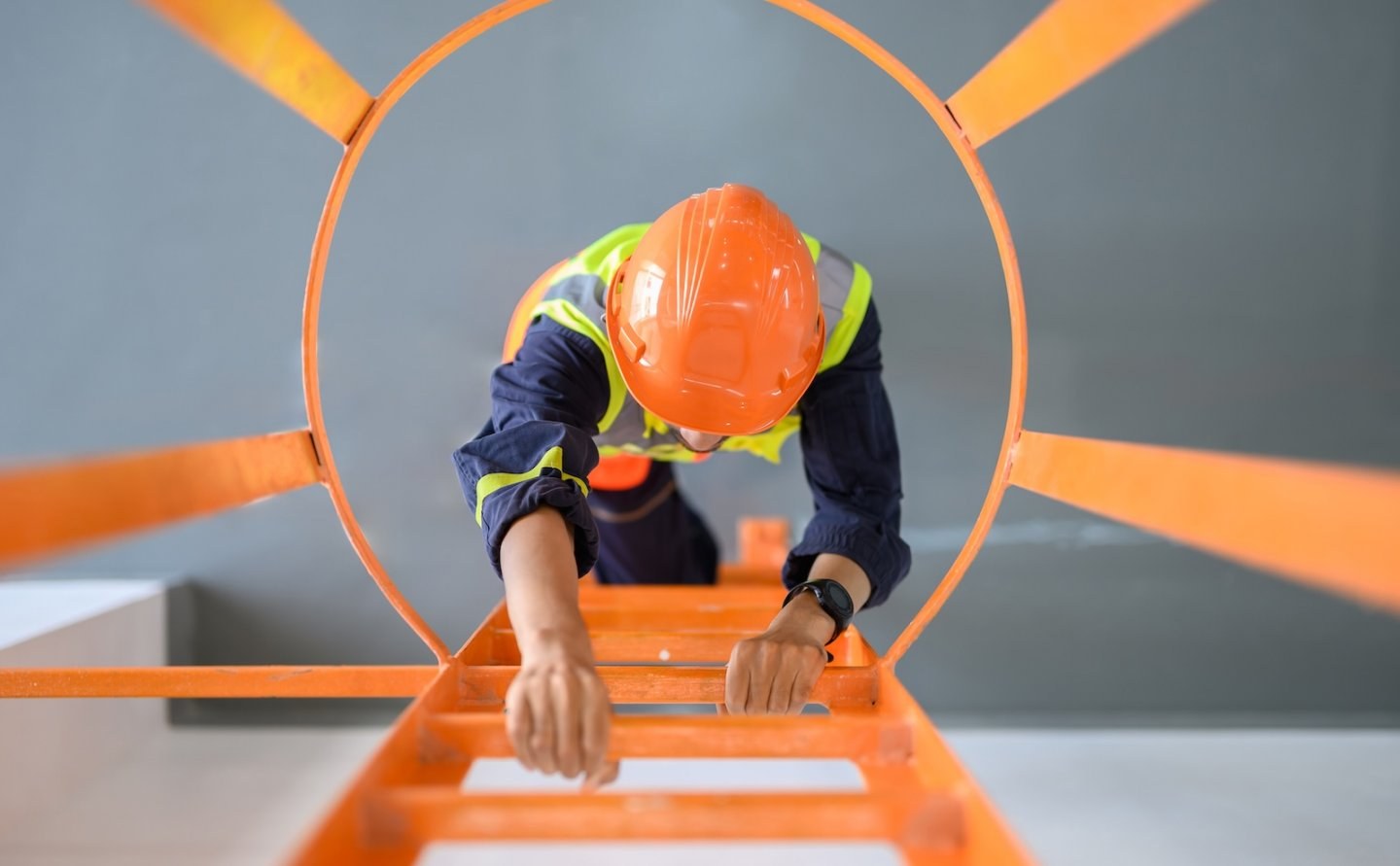
Fall hazards are among the most frequently cited OSHA violations, particularly in construction, warehousing, and maintenance industries. These violations often occur when employees work at heights without adequate guardrails, harnesses, or fall protection systems.
You can reduce fall risks on your worksite(s) by installing appropriate guardrails, safety nets, or personal fall arrest systems where required. Regular inspections of elevated work areas, ladders, and scaffolding also help identify hazards before accidents occur. In addition, you should provide employees with training on safe practices when working at heights and how to properly use fall protection equipment.
Hazard Communication Failures
Hazard communication violations occur when employees are not properly informed about hazardous chemicals in the workplace. Missing labels, incomplete safety data sheets, or insufficient training can create confusion and increase the risk of exposure.
Preventing these violations begins with maintaining a written hazard communication program that clearly outlines how chemicals are handled and labeled. As an employer, you should also ensure safety data sheets are accessible to your employees and that containers are properly labeled. Regular employee training helps workers understand chemical risks and how to safely handle hazardous materials.
Lockout/Tagout Violations
Lockout/tagout procedures are designed to prevent machinery from unexpectedly starting while employees perform maintenance or repairs. Violations occur when energy sources are not properly isolated or when employees are not trained on safe shutdown procedures.
You can prevent lockout/tagout violations by implementing written procedures for equipment maintenance and ensuring all energy sources are properly controlled before servicing begins. Employees responsible for maintenance tasks should receive detailed training on lockout/tagout procedures and understand how to verify that machinery has been fully deenergized.
Respiratory Protection Issues
In workplaces where employees may be exposed to airborne hazards such as dust, chemicals, or fumes, OSHA requires appropriate respiratory protection programs. Violations often occur when respirators are not properly fitted, maintained, or supported by a formal respiratory protection plan.
You can reduce these risks by implementing a written respiratory protection program that outlines when respirators are required and how they should be used. Employees should receive fit testing and training on proper respirator use, storage, and maintenance. Regular equipment checks help ensure respirators remain effective.
Electrical Safety Hazards
Electrical hazards can result from exposed wiring, damaged equipment, overloaded circuits, or improper use of electrical systems. These conditions can increase the risk of shocks, burns, or fires.
Preventing electrical safety violations involves proper equipment maintenance and ensuring wiring systems meet OSHA and electrical code standards. You should also train employees on safe electrical practices and ensure that only qualified personnel perform electrical maintenance or repairs.
How PEO Compliance Support Helps Strengthen Workplace Safety
Maintaining consistent safety practices can be challenging, particularly for small and mid-sized businesses that may not have dedicated compliance teams.
In these situations, a professional employer organization (PEO) like G&A Partners can provide you with additional guidance, resources, and workers’ compensation insurance to help strengthen your safety efforts.
Through PEO compliance support, your business gains access to:
- Guidance when developing workplace safety policies and employee handbooks
- Safety training resources and educational materials
- Consultation related to OSHA inspections and compliance requirements
- Tools that help maintain documentation and HR records
Many PEOs also provide HR technology platforms that help track training completion, maintain employee documentation, and monitor compliance activities.
Importantly, employers remain responsible for maintaining safe workplaces and complying with OSHA regulations. A PEO acts as a support system — helping your organization create more consistent, scalable compliance and safety processes.