



- HR Speak
- HR Outsourcing & PEO
- PEOs for Nonprofits: Affordable HR and Benefits Without Breaking Your Budget
PEOs for Nonprofits: Affordable HR and Benefits Without Breaking Your Budget


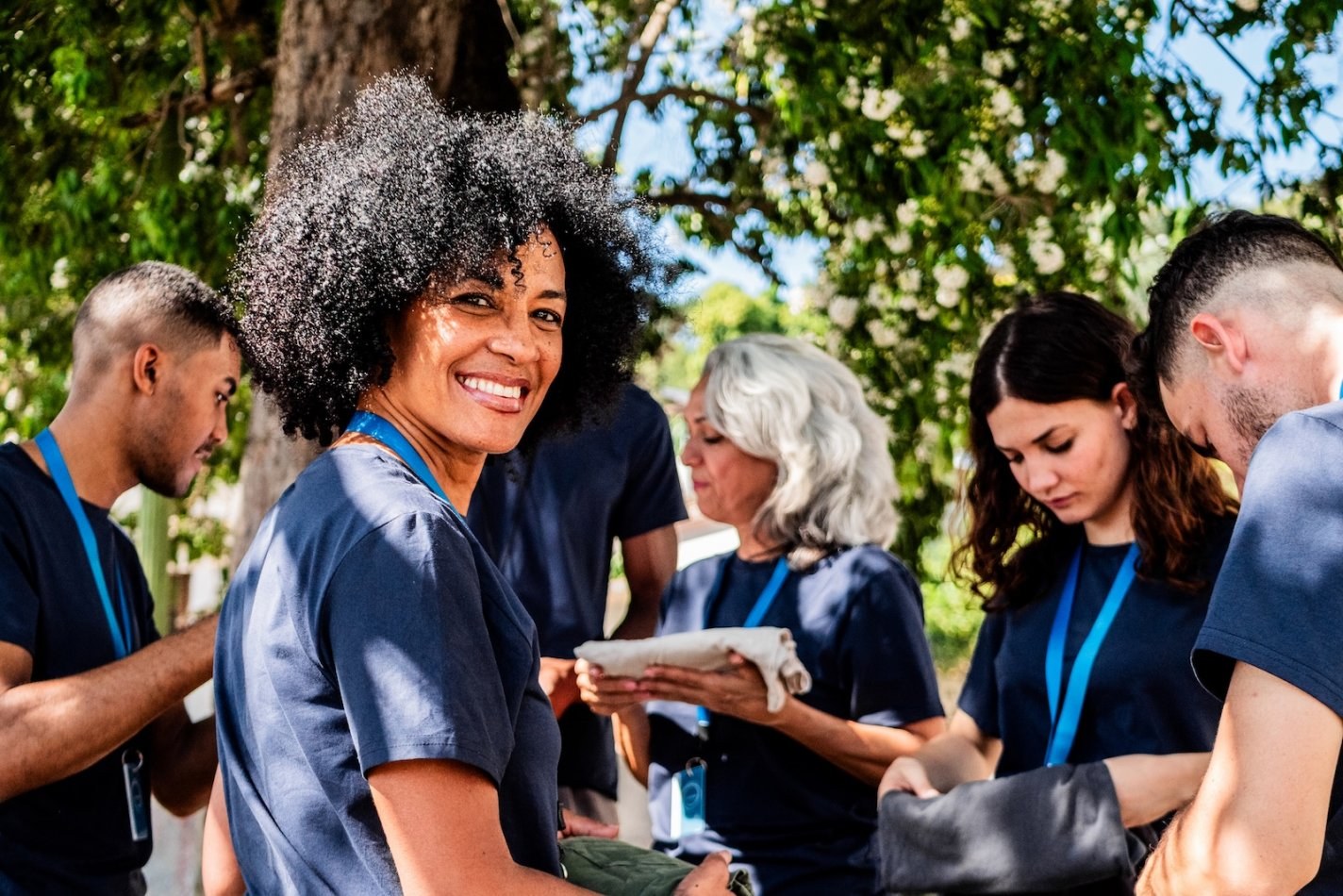
Running a nonprofit often means doing more with less. In addition to managing grants, supporting your community, and keeping day-to-day operations moving, HR responsibilities often fall on leaders or program managers who are already stretched thin.
A professional employer organization (PEO) can help relieve that pressure. By providing outsourced HR services for nonprofits — including payroll, benefits administration, and compliance support — a PEO helps organizations manage essential HR functions without the cost or complexity of building an in-house team.
This article explores how partnering with a PEO like G&A Partners can help your nonprofit streamline HR, free up time for essential operations, and build a happier, more engaged workforce.
Common HR Challenges in Nonprofits
Managing nonprofit HR involves challenges that extend beyond those of a typical small or mid-sized business. As a nonprofit organization, you must balance compliance, reporting, and employee support while working with grant-driven budgets, board governance, and limited administrative capacity.
Here is a closer look at some of the most common HR challenges in nonprofits:
- Limited budget and headcount: Few nonprofits can afford full HR departments. Executives and managers often juggle HR, payroll, and compliance alongside program leadership, fundraising, and community outreach.
- Compliance risks: Staying current with wage and hour rules and employee classification can be complex, particularly for organizations navigating nuances around volunteers, part-time staff, and grant-funded roles. Without HR expertise, even small errors can lead to penalties or threaten grant eligibility.
- Benefits gaps: Many professionals are willing to accept lower compensation in exchange for mission-driven work. But limited benefits packages can make it harder for your nonprofit to attract and retain experienced, in-demand talent — especially when competing against larger organizations that offer more comprehensive coverage.
- Administrative overload: Manual processes for payroll, onboarding, and benefits administration take valuable time away from fundraising and service delivery, reducing efficiency and limiting organizational impact.
The Hidden Costs of Managing Nonprofit HR In-House
Having an internal team run HR for your nonprofit may appear cost-effective, but it often leads to less visible and very real costs and risks over time, including:
- Compliance errors or missed filings, which can result in costly fines or corrective action.
- Increased employee turnover due to limited benefits or a lack of structured HR support.
- Leadership time diverted to paperwork and troubleshooting instead of advancing the mission.
- Incomplete or inconsistent HR documentation that can undermine donor confidence and grant accountability.
What Is a PEO and How It Supports Nonprofit HR
A PEO is a partner that provides comprehensive, outsourced HR for nonprofits — offering payroll and employee benefits administration, compliance support, and more. This partnership gives your organization access to HR processes, technology, and expertise without hiring an internal team or investing in multiple tools.
In a co-employment model, your nonprofit and the PEO share specific employer responsibilities. Your organization retains full control of day-to-day operations and employee supervision, while the PEO handles administrative HR functions such as payroll processing, tax filings, benefits enrollment and administration, and compliance guidance.
This shared model helps you to simplify and streamline nonprofit HR tasks, reduce administrative burdens, mitigate risk, and support compliance efforts, so your team can stay focused on its mission.
How the partnership works:
- Your nonprofit: Oversees daily operations, sets culture, manages performance, and directs staff.
- The PEO: Manages HR functions, such as payroll, benefits administration, employment-related filings, and provides compliance expertise and guidance on HR policies and regulatory requirements.
Core HR Services for Nonprofits
A PEO provides integrated HR services for nonprofits, helping organizations manage complexity while operating within tight budgets. This includes:
- Payroll and tax administration to ensure accurate, timely payroll processing across programs, funding sources, and employee types, while reducing the risk of filing errors.
- Access to affordable, large-group employee benefits plans. This helps improve recruitment and retention efforts by giving your nonprofit the ability to offer more competitive medical, retirement, and voluntary benefits.
- Risk management and compliance guidance to help your organization understand and navigate wage and hour rules, employee classification, and volunteer considerations, while staying informed about changing labor laws and employment regulations.
- Recruiting, onboarding, and workforce support that streamlines hiring processes, improves onboarding consistency, and helps managers support staff more effectively from day one.
- HR reporting, analytics, and benchmarking that give your leaders visibility into turnover trends, benefits participation, and workforce stability — supporting better planning and board-level reporting.
The Benefits of a PEO for Nonprofits
Here are the key benefits of outsourcing nonprofit HR to a PEO, with real-world scenarios that demonstrate them in action.
More Time for Mission Work
When your nonprofit outsources HR, your leadership and staff can spend less time on administrative tasks and more time on fundraising, programs, and community engagement. A PEO manages payroll processing, benefits management, HR documentation, and much more — helping reduce the day-to-day burden on your internal team. With fewer administrative distractions, managers can focus on advancing the mission rather than managing paperwork.
- Example: A regional food bank partners with a PEO to automate payroll and benefits tracking, saving its director 10 hours per week and allowing more time for donor engagement and outreach.
Competitive Benefits That Support Recruitment and Retention Efforts
A PEO helps your nonprofit compete with larger, for-profit employers for talent by providing access to large-group medical, dental, vision, and retirement plans — benefits that can be difficult for individual nonprofits to secure on their own.
PEOs also simplify benefits enrollment, manage plan administration, and provide expert employee support, helping you improve morale and trust amongst existing staff and recruit new employees who value both purpose and stability.
- Example: A community health nonprofit that expands its benefits offerings through a PEO can reduce turnover among nurses and case managers.
Donor Dollars Go Further
PEO partnerships can help nonprofits better manage HR costs by consolidating HR services, expertise, and technology into a single, predictable monthly fee.
This approach simplifies budgeting, reduces administrative overhead, and allows you to redirect savings to program delivery, outreach, or staff development.
- Example: A youth mentorship organization consolidates its payroll and HR vendors through a PEO, reducing annual overhead and reinvesting savings into new after-school programs.
Confidence in Compliance
Rather than navigating employment laws and regulations alone, you can rely on a PEO for compliance guidance and administrative support related to wage and hour rules, employee classification, required reporting, and more.
This expert support helps your organization stay audit-ready and reduces the risk of costly errors, while maintaining the transparency and accountability that funders and boards expect.
- Example: With guidance from a PEO, a nonprofit correctly classifies part-time staff and volunteers ahead of an audit, avoiding penalties and corrective action.
Supporting Talent and Organizational Stability
Beyond administrative support, PEOs can help nonprofits strengthen their workforce by supporting recruiting processes, onboarding, training, and access to workforce data. These tools help organizations:
- Hire more efficiently
- Support employee development
- Identify retention risks
- Report workforce insights to leadership and boards
Example: A nonprofit uses its PEO’s reporting tools to identify turnover trends and adjust training and support strategies to stabilize key roles.

Should my nonprofit use a PEO?
If your nonprofit is weighing whether to partner with a PEO, it’s helpful to understand what that relationship looks like in practice. Some nonprofit leaders assume PEOs are only for large corporations, or they may have concerns that outsourcing HR will reduce control over their organization’s culture or operations. In reality, a PEO partnership is designed to enhance, rather than replace, your existing HR structure.
A PEO functions as an extension of your team, handling time-consuming administrative tasks while you retain full control over daily operations, staff management, and mission-driven decisions. This model gives nonprofits access to enterprise-level HR tools, services, guidance, and competitive benefits — without the associated time and costs it would take to build those capabilities internally.
For many nonprofits, partnering with a PEO is about working more efficiently within limited resources. By consolidating HR services under one partner, you can reduce administrative complexity, minimize risk, and free up your staff to focus on the community and causes you serve, without sacrificing accountability or oversight.
Questions Your Nonprofit Should Consider Before Choosing a PEO
Before outsourcing your nonprofit’s HR, it’s essential to evaluate whether the PEO model aligns with your organization’s needs and objectives.
These questions can help you assess if a PEO partnership makes sense for your team:
- Do you have limited staff managing HR and compliance — often while also handling program, fundraising, or operational responsibilities?
- Do you struggle to attract or retain talent due to limited benefits offerings?
- Does your nonprofit face complex compliance considerations, such as multistate operations, grant-funded roles, or a mix of employees and volunteers?
- Do administrative HR tasks take time away from mission-critical work, such as program delivery, donor engagement, or community outreach?
- Do you need HR support that can scale as programs expand, funding fluctuates, or staffing needs change over time?
If the answer to any of these is yes, a PEO could be worth exploring.
Partner With a PEO to Strengthen Your Nonprofit
By outsourcing your nonprofit’s HR to a PEO, you can reduce your administrative burden and create more space for mission-focused work. With G&A Partners, you gain:
- Access to enterprise-level HR tools and benefits designed to support growing nonprofits
- Expert guidance on HR compliance, benefits, recruiting, workforce development, and more
- A trusted partner that supports your team while you retain full operational control
Whether you’re scaling programs, managing volunteers, or working to improve retention, the right HR partner can help your nonprofit operate more efficiently without losing focus on what matters most.
How G&A Can Help
If you’re looking for ways to streamline and strengthen your nonprofit HR strategy without adding internal complexity, schedule a consultation with one of G&A’s trusted business advisors. We can help you determine if a PEO is the right fit for your organization.